Angel Falls Month by Month: When to Go for Water, Weather, and Photos
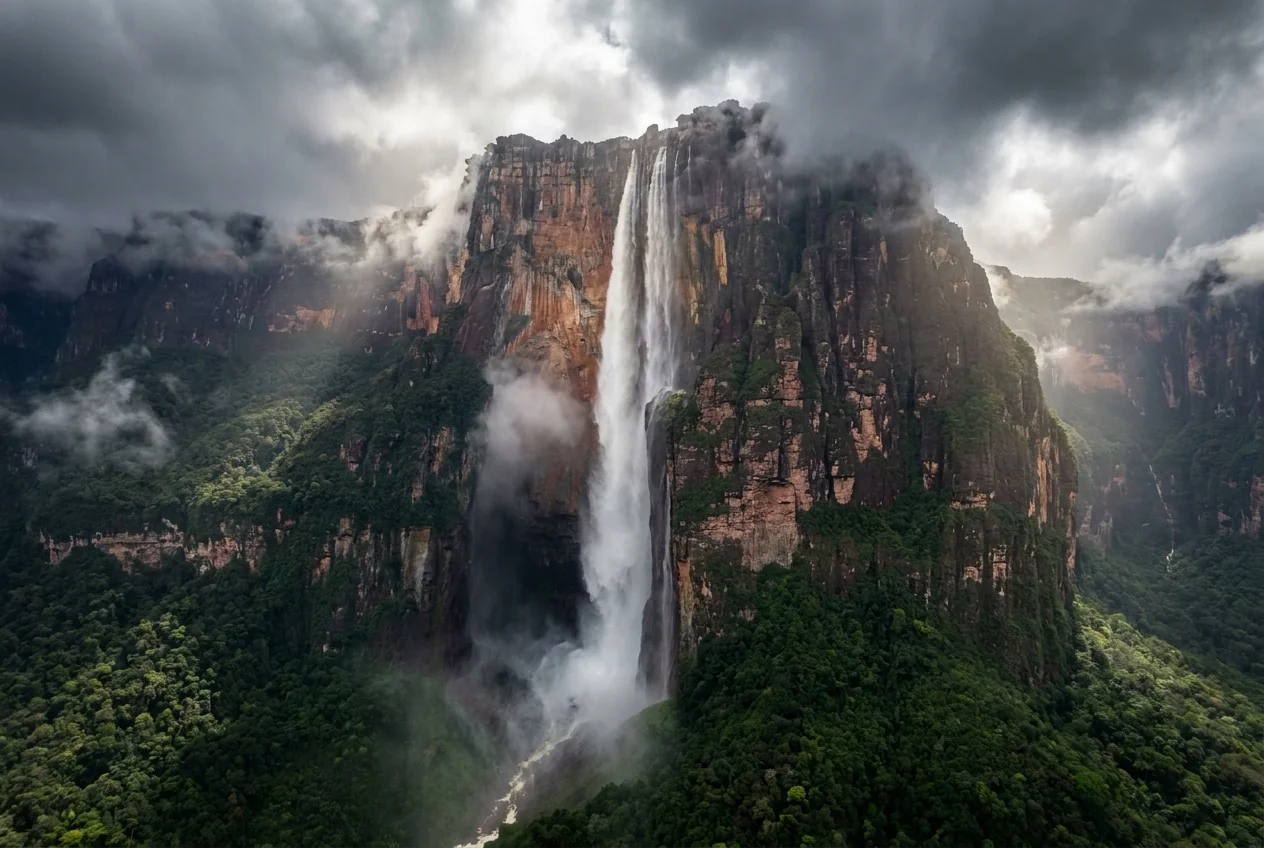
There is no single best month to visit Angel Falls, only the best month for the trip you want. The falls transform across the year, from a thundering torrent fed by jungle rains to a delicate ribbon under clear blue skies, and the way you reach them changes with the water too. This month-by-month guide walks through what to expect from the water, weather, crowds, and photography in each part of the year, so you can match your timing to your priorities: raw power, reliable access, clear skies, fewer people, or the best photographs.
The Two Seasons That Shape Everything
Before the months, understand the two seasons that govern them. The rainy season runs roughly June to November, when frequent rain swells the rivers and the falls reach their peak volume. This is when the motorized canoe reliably reaches the base of the falls and the water is at its most dramatic.
The dry season runs roughly December to April, with the driest months typically January to March. Skies are clearer and scenic flights more reliable, but the falls thin out and river levels can drop too low for the boat trip to reach them. May is a transitional month as the rains return.
Everything below flows from this pattern. Rainy months trade clear skies for full falls and boat access; dry months trade water for clearer views and steadier flights. Neither is wrong. The right choice depends entirely on whether you prioritize the falls at full force, dependable access by boat, or bright, cloudless conditions.
Why the Falls Depend on Rain
Angel Falls is fed by rain landing on the summit of Auyan-tepui, not by a large river with a steady watershed. That is why its flow swings so dramatically with the seasons, from a booming cascade after rain to a fine mist in the driest weeks. Understanding this explains why timing matters more here than at rivers-fed waterfalls elsewhere.
June to August: Rising and Full Water
The early to peak rainy season is when most classic Angel Falls trips happen. In June the rains are well underway and the falls are building toward full flow, with reliable boat access up the rivers. July and August bring peak water, when the falls thunder at their most spectacular and the surrounding tepuis run with countless temporary cascades.
The trade-off is weather. Expect frequent rain, often as short, heavy afternoon downpours, high humidity, and cloud that can hide the top of the falls, especially later in the day. Mornings are usually your clearest window.
These are also the busiest months, particularly July and August, which are the peak tourist period. Book flights, tours, and camps well ahead if you travel then. For travelers who want Angel Falls at maximum power and dependable boat access, and who accept rain and crowds as the price, this is the window.
September to November: Peak Flow, Fewer Crowds
Late rainy season is a sweet spot many experienced visitors favor. The falls remain at or near peak volume through September and October, boat access is reliable, and the crowds thin out compared with the July and August rush. You get the drama of full water with a quieter experience.
Weather is still wet, with rain and humidity part of the deal, but the reward is the falls at their most powerful with more space at the viewpoints. November begins the transition, with the rains gradually easing but the falls usually still carrying strong flow.
For photographers and travelers who want the spectacle of high water without the peak-season crowds, this stretch is hard to beat. Aim for early-morning viewpoint visits to catch the falls before the day's cloud builds, and be ready for the schedule to flex around the weather, as it does all through the rainy months.
The Late-Season Advantage
September and October often deliver the best balance of the year: near-peak water, reliable river access, and noticeably fewer people than midsummer. If your dates are flexible and you want the falls at full force without the busiest crowds, this window is worth targeting. Just keep expecting rain, because full water and wet weather go together here.
December to February: Drying Out, Clear Skies
As the dry season sets in, the character of a visit changes completely. December still carries decent flow early on but trends drier, and by January and February the falls have thinned considerably and river levels are falling. In these months the boat trip to the base can become unreliable or impossible as the water drops.
The compensation is the sky. Clearer, more stable weather makes scenic flights far more dependable, and cloudless views of the falls and tepuis are more common. If your priority is seeing Angel Falls from the air in bright conditions, or you simply want less rain, this is your season.
Crowds are generally lighter than midsummer, and prices can be softer. The key is to arrive with the right expectation: a slimmer, more delicate waterfall under blue skies, best appreciated by air, rather than the thundering boat-accessed torrent of the wet months. Confirm with your operator how they plan to reach or show you the falls during these dates.
March to May: Driest Point to the Return of Rain
March is often the driest month, when Angel Falls can reduce to a thin, wind-blown ribbon and the boat journey to the base is least reliable. Skies are frequently clear, flights are dependable, and this is the quietest, most delicate version of the falls, better for aerial views than for the full river expedition.
April continues the dry conditions in many years but sits closer to the turn, and by May the rains typically begin returning, gradually lifting river levels and rebuilding the falls. May is a transitional gamble: it can offer a green, freshening landscape with growing water, or still-low conditions, depending on the year.
These shoulder and dry months suit travelers who value clear skies, solitude, and flights over the sheer volume of water. If you come now, lean into scenic flights and the accessible sights around Canaima, and treat any strong boat access as a bonus rather than the plan.
Reading a Transitional Year
The exact timing of the seasons shifts from year to year, so treat every month range here as a guide, not a guarantee. A late or early rainy season can move the boundaries by weeks. Ask your operator about current conditions close to your dates, since they know whether the river is running and how they will reach the falls right now.
Choosing Your Month by Priority
Pull it together by deciding what matters most to you. If you want Angel Falls at maximum power with reliable boat access, target the rainy season, roughly June to November, and accept rain and, in midsummer, crowds. If you want the fullest falls with fewer people, aim for September and October.
If you prioritize clear skies, dependable scenic flights, and solitude, choose the dry season, roughly December to April, and plan around aerial views rather than the boat expedition. Photographers should weigh the drama of high water against the clean, cloudless conditions of the dry months and decide which image they are chasing.
Whatever you choose, build flexibility into your plans, keep viewpoint visits early in the day, and confirm current conditions with your operator before you commit. The falls reward travelers who match their timing to their priorities rather than hoping for everything at once.
A Quick Decision Guide
Chasing the thundering torrent and a boat trip to the base: go June to November, ideally September to October for fewer crowds. Chasing clear skies, flights, and quiet: go December to April. Unsure and want the safest all-round bet for full water and access: the late rainy season is the classic recommendation. Match the month to the trip you actually want.
Weighing Crowds, Prices, and Weather Together
Water and skies are not the only variables the calendar controls; crowds and cost move with the seasons too, and balancing all of them is part of picking your month. July and August combine peak water with peak visitors and the highest prices, so booking far ahead is essential and the viewpoints are at their busiest.
The late rainy season, September and October, often offers the best overall value: near-peak water with thinner crowds and sometimes gentler prices, though still with plenty of rain. The dry season generally sees fewer visitors and can bring softer pricing, in exchange for a thinner waterfall and a reliance on flights.
Think about what you are willing to trade. If cost and solitude matter as much as the falls themselves, the shoulder and dry months reward you. If seeing the falls at full thunder is non-negotiable, accept the rain and, in midsummer, the crowds and prices. There is no free lunch on the calendar here, only the trade that best fits your priorities and budget.
Booking Lead Time by Season
In the July and August peak, book flights, tours, and camps months ahead, because they fill and latecomers get stuck. In the quieter months you can often arrange a trip with only a week or two of lead time, and sometimes on arrival in Ciudad Bolivar. Match your booking urgency to the season so you neither miss out nor overplan.