Ciudad Bolivar: Gateway City to Angel Falls
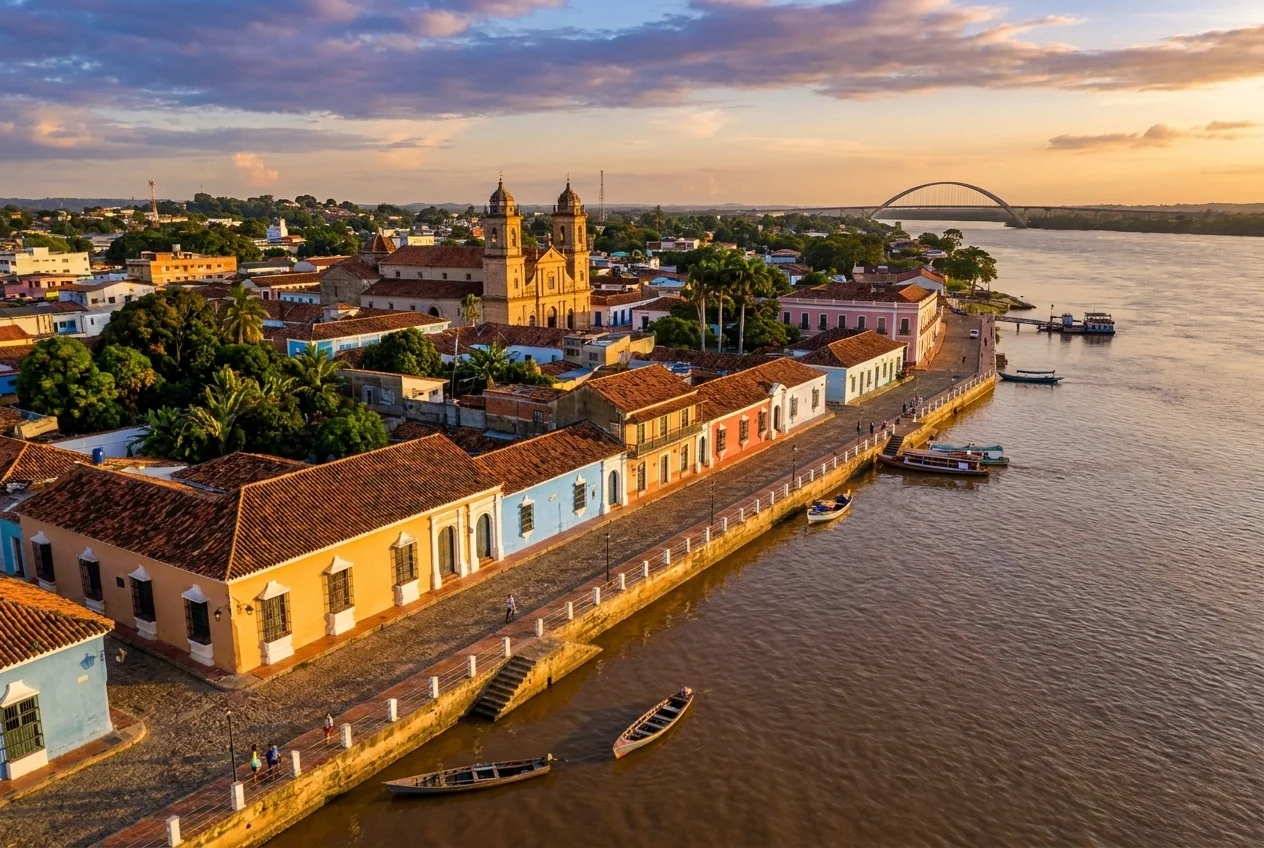
Almost every Angel Falls trip passes through Ciudad Bolivar, and most travelers treat it as nothing more than a place to catch the morning charter to Canaima. That is a missed opportunity. This colonial city on the banks of the Orinoco River is the historic launch point for expeditions into the Gran Sabana, with a handsome old town, a genuine sense of place, and the practical infrastructure you need before heading into the roadless interior. This guide covers how to get there, where to stay, what is worth seeing, and how to make your connection to Canaima go smoothly.
Why Ciudad Bolivar Matters to Your Trip
Ciudad Bolivar sits on the southern bank of the Orinoco, and for generations it has been the staging city for journeys into Venezuela's wild southeast. For you, its role is specific: it is one of the two main airports (along with Puerto Ordaz) from which small charter planes fly to Canaima, the village at the doorstep of Angel Falls.
Because those charters leave in the morning and depend on weather, the smart move is to arrive in Ciudad Bolivar the day before your Canaima flight rather than risk a same-day connection from Caracas. That built-in overnight is why the city is worth knowing, not just passing through.
It is also where many travelers meet their tour operator, confirm the falls trip, and settle final logistics before losing phone signal in the jungle. Think of Ciudad Bolivar as the last place to sort out anything that still needs sorting.
How to Get to Ciudad Bolivar
Most travelers reach Ciudad Bolivar from Caracas. You can fly the domestic route from Maiquetia, roughly the fastest option, or take a long-distance bus, which is cheaper but takes the better part of a day. From Puerto Ordaz, a shorter bus ride of around 90 minutes connects to the city.
Whichever way you come, plan the timing around your Canaima charter. Aim to be in Ciudad Bolivar by the evening before your falls flight so a delayed connection cannot cost you the trip. Venezuelan domestic schedules shift, so confirm your flights directly with the airline a couple of days ahead.
The city's airport is small and close to the center, which makes the next morning's charter departure straightforward. Many posadas and operators can arrange your airport transfer, and the short distances mean you are never far from where you need to be.
Where to Stay and What It Costs
Ciudad Bolivar has a good spread of posadas and small hotels aimed at travelers heading to Angel Falls. Rooms typically run $25 to $80 per night, with the historic center offering the most atmospheric and convenient options. Many posadas double as tour bases, arranging your Canaima flight and falls expedition alongside your bed for the night.
Staying in the old town puts you within walking distance of the riverfront, the colonial plazas, and places to eat, which is ideal for a single evening before an early flight. It also keeps you close to your operator for any last-minute coordination.
Because this is a one-night stop for most people, prioritize location and reliability over luxury. A clean room near the center, run by people who can confirm your morning transfer to the airport, is worth more than anything fancier further out.
What to See if You Have Time
If your schedule gives you a free afternoon or evening, the historic center rewards a wander. Ciudad Bolivar's old town is built around colonial-era plazas and streets that climb above the Orinoco, with pastel facades, churches, and viewpoints over the river that give the city its character.
The Orinoco itself is the star. This is one of South America's great rivers, and seeing it here, wide and slow beneath the old town, sets the scale for the wild country you are about to enter. The riverfront is a natural place for an evening stroll and a meal.
You do not need a packed sightseeing plan. A couple of hours in the old town and along the river is enough to appreciate why this city was the historic gateway to the interior, and it turns an obligatory overnight into a small pleasure rather than dead time.
A Note on the Jimmie Angel Connection
Ciudad Bolivar has a long association with the exploration of Angel Falls and the aviators who mapped the region. The city's role as a launch point for flights into the Gran Sabana is part of the same history that led to the falls being named after the American pilot Jimmie Angel. Learning a little of that story before you fly makes the journey feel like a continuation of it.
Making the Canaima Connection Work
The single job of your Ciudad Bolivar stop is to get you onto the Canaima charter without stress. Confirm your flight and baggage allowance the day before, remembering that charter planes cap luggage at roughly 10 to 12 kg per person. Repack so that what you carry onto the small aircraft is light and river-ready, and consider leaving anything you will not need in Canaima with your posada.
Settle any outstanding payments in cash the evening before, since the village runs on US dollars and you will not find a working ATM once you leave the city. Get a firm time for your airport transfer and set an early alarm; these flights leave in the morning.
Build slack into the return, too. Weather can delay Canaima flights, so avoid booking an international departure from Caracas for the same day you fly back. A buffer night in Ciudad Bolivar or Caracas protects your journey home from the interior's unpredictable skies.
Eating and Getting Around the City
For a single evening in Ciudad Bolivar, you do not need much of a plan, but a good meal by the river is a fine way to mark the start of the adventure. The historic center has simple restaurants and posada kitchens serving Venezuelan staples: arepas, grilled meat and fish, rice, plantain, and fresh juices. Prices are low by international standards, and paying in US cash is straightforward.
Getting around is easy because the old town is compact and walkable. Distances between the center, the riverfront, and the airport are short, and taxis or posada-arranged transfers cover anything beyond walking range. There is no need for public transport for a brief stopover.
Keep the same street sense you would in any unfamiliar city. Stick to the central and riverfront areas in the evening, avoid displaying cash or valuables, and arrange a transfer rather than wandering to the airport before dawn. Your posada can advise on which areas to favor and which to skip after dark.
The Orinoco Riverfront
The riverfront is the most pleasant place to spend a free evening. Watching the wide Orinoco slide past beneath the colonial old town is a quiet, memorable prelude to the wild interior. Grab a meal or a juice, take in the view, and turn in early for the morning flight.
Safety and Practical Basics
Ciudad Bolivar is a working city, not a tourist resort, so bring the same street sense you would to any unfamiliar place. Stick to the central and riverfront areas, especially after dark, keep valuables and cash out of sight, and use posada-arranged transfers rather than wandering to the airport before dawn. Ask your hosts which areas to favor and which to avoid, since local advice beats any guidebook line.
On the practical side, this is your last chance to organize the things the jungle cannot provide. Charge every device and pack a power bank, since Canaima power is unreliable. Buy any snacks, insect repellent, sunscreen, or over-the-counter medicine you still need, because the village shop stocks only basics. Fill prescriptions and sort your US cash here, at the last point with real infrastructure.
Confirm your onward logistics before you sleep: the airport transfer time, the charter flight, your baggage weight, and your tour details. A calm, organized evening in Ciudad Bolivar is what makes the leap into the roadless interior the next morning feel smooth rather than frantic.
A Final Packing Check
Use the evening to repack deliberately: a light, river-ready dry bag for Canaima, and a stored bag of anything you will not need. Confirm your documents, cash, medication, and camera are waterproofed and accessible. Doing this in a lit room the night before beats sorting it half-asleep at a small airport at dawn.