How to Get to Canaima National Park
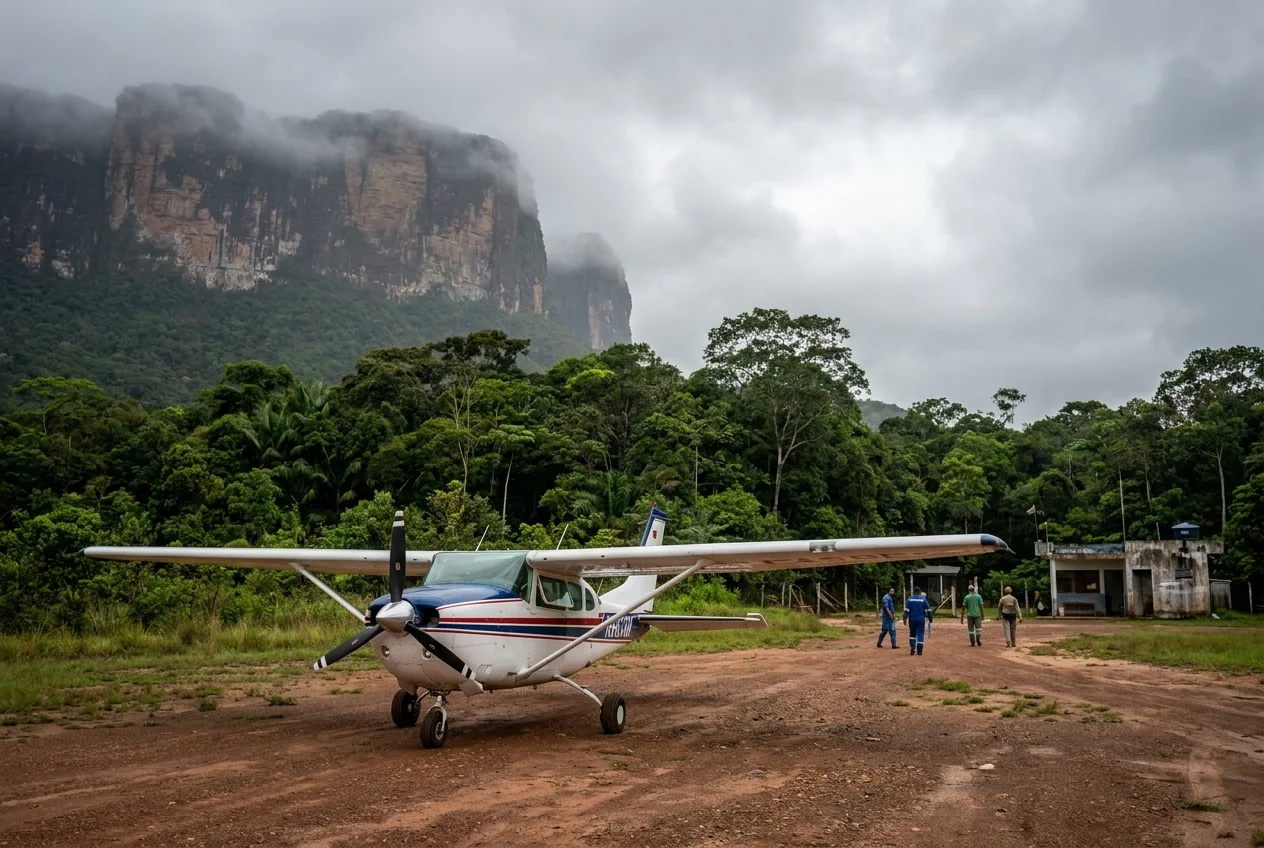
Canaima National Park, home to Angel Falls and the ancient tepui mountains, is one of the most remote UNESCO World Heritage Sites on Earth. There are no roads into the park; access is exclusively by small aircraft, making the journey itself part of the adventure. This guide covers everything you need to know about reaching Canaima: flight options, booking strategies, costs, and what to expect when you land at the tiny airstrip carved into the savanna.
Getting to Canaima: Your Options
Canaima National Park sits deep in Venezuela's Gran Sabana region, approximately 725 kilometers southeast of Caracas. The park has no road access. Every visitor arrives by air.
Commercial Flights from Caracas
Conviasa operates scheduled flights from Caracas (Maiquetía International Airport) to Canaima on Thursdays and Sundays during peak season (June-December). Flight time is approximately 1 hour 15 minutes. Booking 2-3 months in advance is strongly recommended as seats fill quickly.
Connecting Through Ciudad Bolívar or Puerto Ordaz
Many travelers fly commercially to Ciudad Bolívar or Puerto Ordaz, then charter a small Cessna to Canaima. This route offers more flexibility on timing and is often used by tour operators. The charter flight from Ciudad Bolívar takes about 1 hour.
Charter Flights
Private charters are available from multiple Venezuelan cities. For groups of 4-5 travelers, chartering can be cost-competitive with scheduled flights while offering departure flexibility. Expect to pay $250-400 USD per person for a charter from Ciudad Bolívar.
Arriving at Canaima Airport
Canaima Airport (CAJ) is a small grass airstrip with a basic terminal building. Upon arrival, you'll pay the park entrance fee of $40 USD per person ($20 for children, cash only). Most visitors are met by their lodge or tour operator and transferred by boat or vehicle to their accommodation.
Park Entrance Fee
The INPARQUES fee is $40 USD per person and $20 per child, mandatory for all visitors. This fee supports conservation efforts and park maintenance. Keep your receipt. You may need to show it during your stay.
Best Time to Visit
The rainy season (June-November) offers the most dramatic views of Angel Falls at full flow. The dry season (December-April) has more reliable flying weather but lower waterfall volume. Most tour operators run year-round.