Orinoco Delta: Venezuela's Amazon Gateway
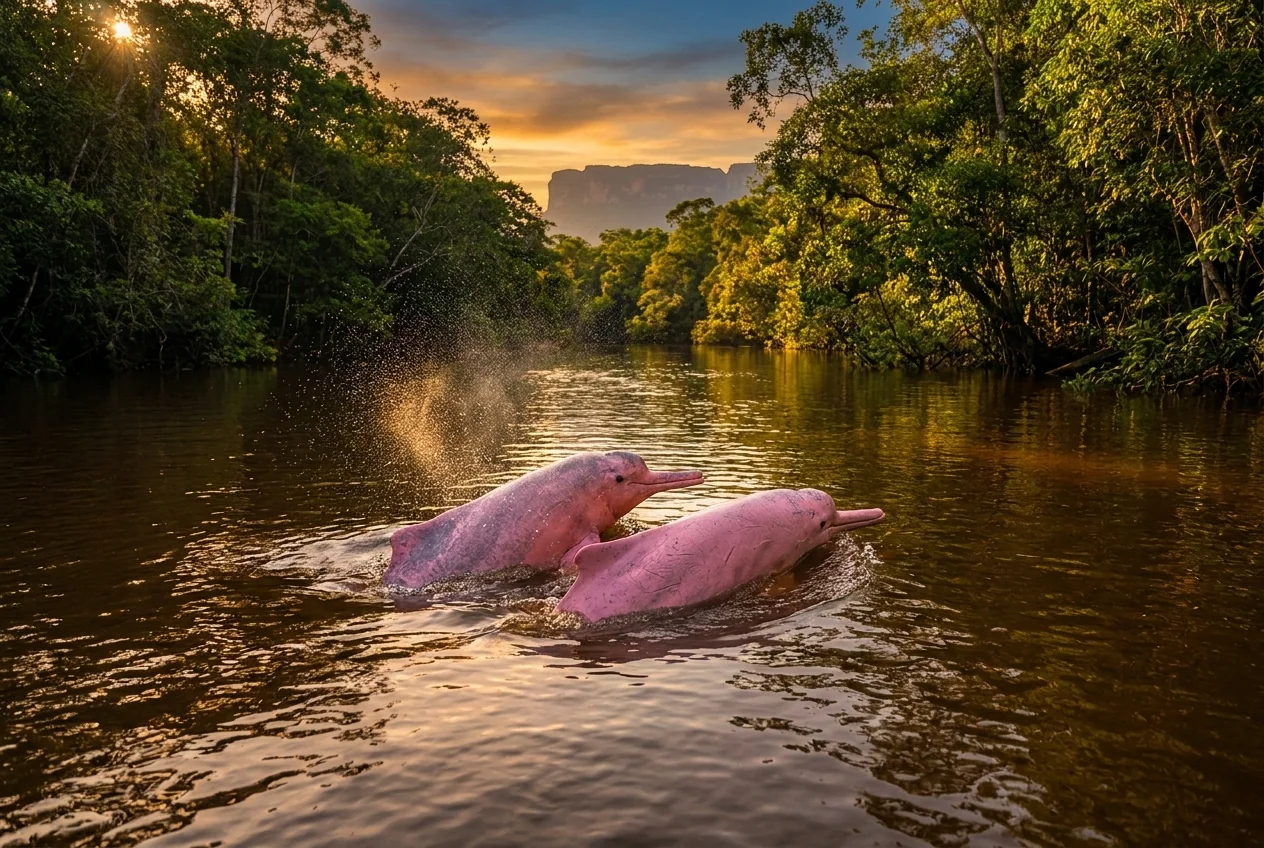
The Orinoco Delta is one of South America's last true wilderness frontiers, a labyrinth of waterways spanning 25,000 square kilometers where the mighty Orinoco River meets the Atlantic Ocean. This is the ancestral home of the Warao people, who have navigated these channels for thousands of years. Unlike the more famous Amazon, the Orinoco Delta remains largely undiscovered by international tourism. Here, you'll find eco-lodges built on stilts, sunrise canoe trips through flooded forests, and wildlife encounters that rival any African safari. Combining the delta with Angel Falls creates one of South America's most diverse adventure itineraries.
What Makes the Orinoco Delta Special
The Orinoco is the world's fourth-largest river by discharge, and its delta is South America's second-largest after the Amazon. But what makes it truly remarkable is its accessibility and the intimate wildlife experiences it offers.
Unlike the vast distances of the Amazon basin, the Orinoco Delta is compact enough to explore meaningfully in 2-4 days. The network of narrow channels, called caños, allows small boats to get remarkably close to wildlife. Scarlet macaws perch overhead, howler monkeys announce the dawn, and caimans slip silently through the murky waters.
The Warao: People of the Canoe
The name "Warao" translates to "boat people", and for good reason. The Warao have been master navigators of these waterways for over 8,000 years. Their traditional stilted homes, called palafitos, rise above the seasonally flooded landscape. Their handcrafted canoes, some carved from single tree trunks, are still essential for daily life.
Responsible tourism in the delta means engaging with Warao communities on their terms. Many eco-lodges are Warao-owned or employ local guides who share their knowledge of traditional fishing, plant medicine, and river navigation. Purchasing woven baskets and carved figures directly from artisans provides meaningful income to communities.
Cultural Etiquette
When visiting Warao communities, always ask permission before taking photographs. Dress modestly, bring small gifts if invited into homes (school supplies are appreciated), and listen more than you speak. The Warao are generous hosts, but remember you're a guest in their homeland.
Wildlife of the Delta
The Orinoco Delta supports an extraordinary concentration of wildlife. Early morning and late afternoon boat trips offer the best sightings.
What You Might See
Birds: Over 400 species including scarlet macaws, hoatzins (the "stink bird"), herons, kingfishers, and the spectacular red ibis. The delta is a critical stopover for migratory species.
Mammals: Howler monkeys, capuchin monkeys, river dolphins (toninas), capybaras, and the elusive jaguar (rare but present).
Reptiles: Spectacled caimans, anacondas (especially during dry season), and numerous turtle species.
Fish: Piranhas, peacock bass, and the giant arapaima, one of the world's largest freshwater fish.
How to Get There
The main gateway to the delta is Tucupita, the capital of Delta Amacuro state. From Caracas, you can fly to Maturín (1.5 hours) and drive 3 hours to Tucupita. Alternatively, drive from Caracas (8-10 hours) or from Ciudad Guayana (4 hours).
Most visitors arrive on organized tours that include transportation, lodging, meals, and guided excursions. Independent travel is possible but requires advance coordination with local operators.
Combining with Angel Falls
A popular 7-9 day itinerary combines 3 days at Angel Falls with 3 days in the Orinoco Delta. This pairing offers dramatic contrasts: the vertical drama of the tepuis versus the horizontal expanse of the delta, jungle waterfalls versus river mangroves.
Eco-Lodges and Accommodations
Accommodations in the delta range from rustic to comfortable, but none are luxurious by conventional standards. That's part of the appeal: you're here for the wilderness, not the amenities.
Typical amenities: Private or shared rooms in stilted cabins, mosquito nets, basic bathrooms (sometimes shared), generator electricity (limited hours), and delicious local cuisine featuring fresh fish, plantains, and cassava.
Look for lodges that employ local Warao guides, source food locally, and contribute to community development. The best operators have long-standing relationships with indigenous communities based on mutual respect and fair compensation.
Best Time to Visit
The Orinoco Delta can be visited year-round, but conditions vary:
Dry Season (December-April): Lower water levels mean more exposed beaches and easier wildlife spotting. Anacondas are more visible as they congregate near remaining water sources. However, some smaller channels may be impassable.
Wet Season (May-November): Higher water levels allow access to flooded forests and more channels. The landscape is lusher, and birdlife is abundant. Mosquitoes are more intense during this period.
For combining with Angel Falls, June-November offers the best of both worlds: full waterfalls and navigable delta channels.