Solo Travel to Venezuela: Safety Tips and Logistics for 2026
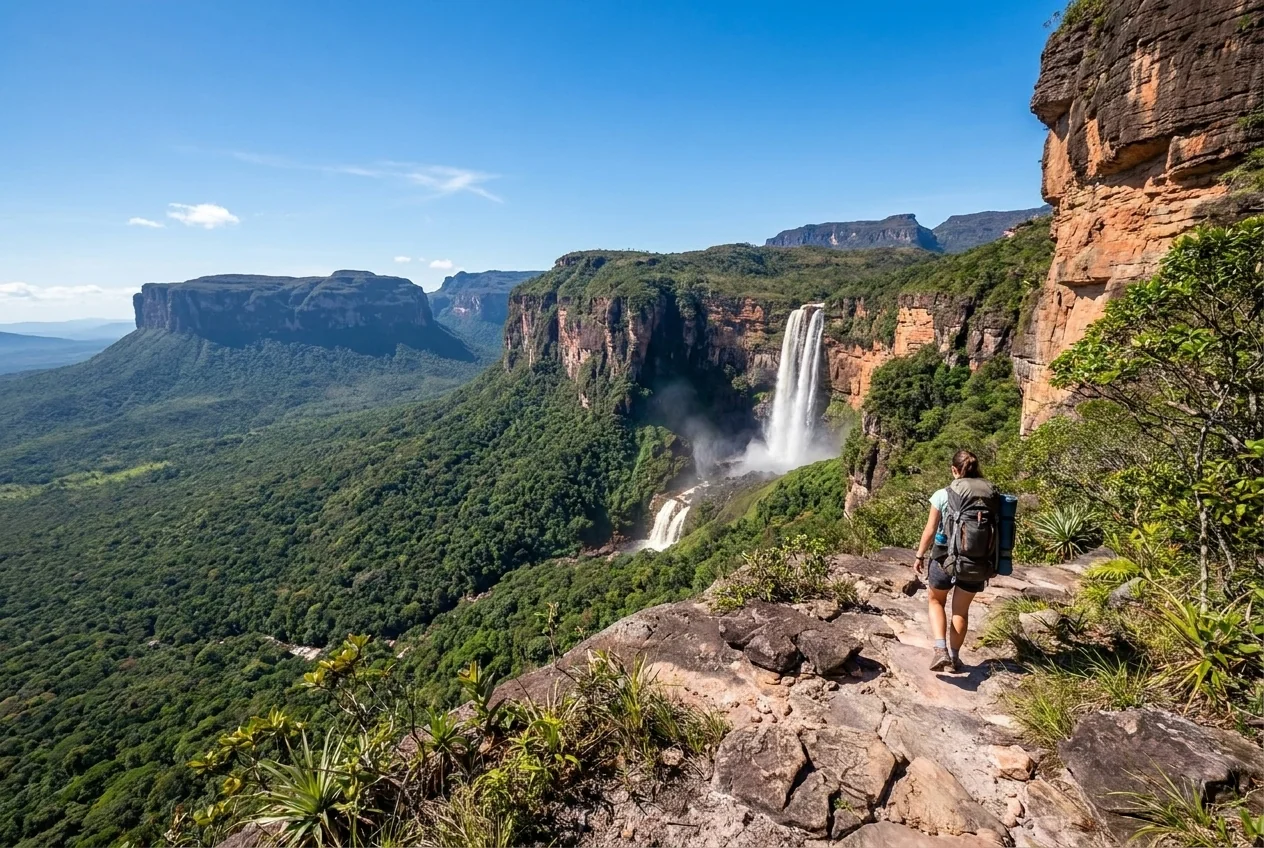
Venezuela is not a country you casually wander through without a plan. But if you are the kind of solo traveler who does your homework, follows local advice, and stays within established tourist corridors, you can experience one of South America's most extraordinary landscapes with far less risk than the headlines suggest. This guide gives you the honest, unfiltered picture of what solo travel in Venezuela looks like in 2026, covering safety, logistics, money, connectivity, and how to actually make it work.
The Honest Safety Picture for Solo Travelers
Let's start with what you already suspect: Venezuela has real safety challenges. Caracas, Maracaibo, and other major cities have high crime rates, including armed robbery, express kidnapping, and carjacking. The U.S. State Department maintains a Level 4 (Do Not Travel) advisory, and most Western governments issue similar warnings.
But here is what those advisories don't distinguish: tourist areas like Canaima National Park, the Gran Sabana, and the Orinoco Delta operate in a fundamentally different reality than urban centers. In Canaima, the local Pemon community controls tourism. Crime against visitors is virtually unheard of. You are in a remote indigenous village surrounded by jungle, not walking through a city at night.
The key principle is simple. Stick to established tourist destinations, travel with organized tours for the adventure segments, and avoid unnecessary time in Caracas beyond the airport transit. Solo travelers who follow this approach report overwhelmingly positive experiences. Those who freelance through cities without local contacts are the ones who run into trouble.
For a deeper breakdown of country-wide safety, read our full guide on whether it is safe to travel to Venezuela.
How Organized Tours Solve Most Safety Concerns
The single best decision you can make as a solo traveler in Venezuela is to book an organized tour for the adventure portions of your trip. This is not about sacrificing independence. It is about being practical in a country where infrastructure, transport, and local knowledge matter enormously.
Tour operators handle your domestic flights (Caracas to Canaima), river transport, park permits, accommodation, and meals. They employ local Pemon guides who know every rapid on the river and every trail through the jungle. You do not need to negotiate, navigate unfamiliar roads, or figure out fuel availability in a country where gas stations sometimes run dry.
For solo travelers specifically, group tours (typically 6 to 12 people) offer a social bonus. You will meet other travelers from around the world, share meals, and have company on multi-day treks. Most tour groups departing from Canaima include at least 2 or 3 solo travelers per departure. By day two on the river, the group dynamic usually feels like a team.
Reputable operators include Kamadac Tours, Bernal Tours, and Angel Eco Tours. Prices for a 3-day Angel Falls package start around $500 to $700 USD per person, including flights from Ciudad Bolivar or Puerto Ordaz. Book directly with operators for the best rates rather than going through international aggregators.
Meeting Other Travelers in Canaima
One concern solo travelers raise is isolation. In Canaima, this is rarely a problem. The village is small (roughly 1,500 residents), and the handful of posadas (guesthouses) where tourists stay are within walking distance of each other. You will likely eat at communal tables and share hammock space in open-air shelters during the river trip.
The social hub of Canaima is the area around Canaima Lagoon, where travelers gather in the late afternoon to watch the pink-orange sunset behind Hacha Falls. It is the easiest place on the planet to strike up a conversation, because everyone there has made the same slightly adventurous decision to come to this remote corner of Venezuela.
During peak season (July through October), you might find 30 to 60 tourists in Canaima on any given day. During the shoulder months of November and December, that number drops to 10 to 20. Even in low season, you are unlikely to be the only visitor. If you want a more social experience, time your visit for August or September when tour groups are most frequent.
Solo Female Traveler Considerations
Solo female travelers visit Venezuela successfully, but it requires extra awareness. In Canaima and the Gran Sabana, the environment is generally safe and respectful. The Pemon guides are professional, and the small-community atmosphere of tourist areas provides a natural layer of security.
In transit cities like Ciudad Bolivar or Puerto Ordaz, standard precautions apply more firmly. Avoid walking alone after dark. Use only registered taxis or rides arranged through your hotel. Dress modestly in urban areas to avoid unwanted attention. Keep your phone and camera concealed when not actively using them.
Machismo culture exists in Venezuela, as it does across much of Latin America. You may receive comments or attention from local men, particularly in urban areas. Most of it is verbal and not threatening, but it can be uncomfortable. A firm, polite "no, gracias" usually ends the interaction. Wearing a ring (real or fake) and mentioning a partner can also help deflect persistent attention.
Several female travel bloggers and content creators have documented their solo trips to Angel Falls in recent years, and the consensus is consistent: the adventure portions feel safe, the transit portions require standard urban caution, and the experience overall is deeply rewarding.
Budget Solo Travel: What It Actually Costs
Venezuela's dual economy creates unusual pricing dynamics for travelers. The official exchange rate and the parallel (black market) rate have converged significantly since the dollarization trend, but you will still find that many transactions happen in USD cash.
For a solo traveler on a moderate budget, expect to spend roughly $80 to $120 USD per day outside of tour packages. This covers a mid-range posada ($25 to $40 per night for a private room), meals ($10 to $20 per day), and local transport. In Canaima specifically, most costs are bundled into your tour package, so daily spending outside the package is minimal, maybe $5 to $10 for extra drinks or snacks.
The biggest line items are the tour package ($500 to $700 for a 3-day Angel Falls trip) and domestic flights ($150 to $250 round trip from Caracas to Canaima). International flights to Caracas vary widely, but budget $400 to $800 from most North American or European departure cities.
Total cost for a 7 to 10 day solo trip covering Canaima and one additional destination (Gran Sabana or Orinoco Delta): roughly $1,500 to $2,500 USD all-in. That is significantly cheaper than comparable adventure destinations like Galapagos or Patagonia. For a full cost breakdown, see our Angel Falls trip cost guide.
Phone, Connectivity, and Staying in Touch
Connectivity is one of the biggest adjustments for solo travelers used to being constantly online. In Canaima, there is limited cell signal (Movilnet has the best coverage, but it is unreliable). Wi-Fi exists at some posadas, but it is slow and intermittent. During the river trip to Angel Falls, you will have zero connectivity for 1 to 3 days.
This means you need to plan your communication before you go offline. Tell family and friends your itinerary, including the dates you will be unreachable. Set up an out-of-office message. Download offline maps (Maps.me works well for Venezuela). Save all booking confirmations, emergency numbers, and your embassy contact info on your phone where you can access them without data.
For the portions of your trip in Ciudad Bolivar, Puerto Ordaz, or Caracas, you can buy a local SIM card from Movistar or Digitel for roughly $5 to $10. Data costs are minimal. Most hotels and restaurants in urban areas have Wi-Fi.
If staying connected is critical (for work or family reasons), consider a Garmin InReach Mini or similar satellite communicator. It costs around $300 for the device plus $15 to $50 per month for a subscription, but it gives you the ability to send short text messages from anywhere on the river. Several solo travelers have reported this as their single most valuable piece of gear for peace of mind.
Money Management as a Solo Traveler
Cash is king in Venezuela, and as a solo traveler, you need to plan your cash supply carefully. ATMs are unreliable and often empty. International credit cards work at some upscale hotels and restaurants in Caracas but are virtually useless in Canaima or the Gran Sabana.
Bring enough USD cash for your entire trip, in small denominations ($1, $5, $10, $20 bills). Bills must be in good condition, with no tears, marks, or excessive wear. New-series bills (2017 or later) are preferred. Many vendors will refuse older or damaged bills.
A reasonable cash reserve for a 7 to 10 day trip is $800 to $1,200 beyond your prepaid tour costs. This covers meals, accommodation outside the tour, local transport, tips, and a buffer for unexpected expenses. Keep your cash in multiple locations: a money belt, your daypack, and your main luggage. Never carry all your cash at once.
Zelle transfers work for some transactions with Venezuelan vendors who have U.S. bank accounts. Ask your tour operator if they accept Zelle, as it can reduce the amount of physical cash you need to carry. Crypto (particularly USDT on Binance) is also increasingly accepted by some businesses in larger cities, though this is less practical for casual tourists.